Staring at Vail condo listings and wondering what really moves price and value? You are not alone. Between hotel-branded residences, traditional condos, and strict HOA and rental rules, it can be hard to compare apples to apples. This guide gives you a clear way to read the Vail luxury condo market so you can focus on what matters before you tour. Let’s dive in.
Market context: access and demand
Vail sits in Eagle County with two main travel gateways. Eagle County Regional Airport is about 30 to 45 minutes away by car depending on conditions, while Denver International Airport is about 2 to 2.5 hours by car. Ease of access, including seasonal direct flights into Eagle, often shows up in pricing and rental demand near the village cores.
Vail Mountain is operated by Vail Resorts, and the Epic Pass network plays a large role in visitation and lift capacity. That is why condos close to gondolas and village centers see strong interest from both users and investors. Demand in Vail is also seasonal and reacts to snow, resort improvements, interest rates, and stock market moves.
Micro-locations that drive price
Not all Vail condos are priced the same. Small shifts in location can change both your lifestyle and your return on investment.
Vail Village
This is the historic core with cobblestone, pedestrian-friendly streets. You get top walkability to shops, dining, and lifts. Expect a premium for convenience and village character.
Lionshead Village
You are close to the Lionshead Gondola and a range of newer condo and hotel complexes. Pricing per square foot often tracks close to Vail Village, sometimes slightly lower depending on building and services.
East Vail and West Vail
These residential areas are quieter with more road access. You often find larger condos or townhomes at a lower price per square foot than the central villages. Many buyers like the extra space and a break from tourist foot traffic.
Cascade and Golden Peak
These areas are frequently named in luxury searches. Golden Peak offers access tied to lessons and competitions, while Cascade has ski access options and proximity to the mountain. Units along Gore Creek can see a premium for riverfront views.
Nearby alternatives
Some buyers compare Vail to nearby options like Beaver Creek, Bachelor Gulch, or Minturn. These are distinct markets with different lift access, HOA structures, and price profiles. Use them as context, then drill into Vail comps when you are ready to make offers here.
Building types and ownership
Knowing the building type helps you anticipate both lifestyle fit and carrying costs.
Full-service hotel condos
These are branded or hotel-style residences that offer concierge, valet, on-site restaurants, spa or pool, and centralized management. You may see higher HOA fees and hotel-style assessments. In return, units may have stronger rental streams if allowed.
Traditional condominiums
These range from one and two bedroom ski-in units to multi-bedroom penthouses. Amenities and HOA services vary widely, so compare what each HOA covers before you compare prices.
Townhomes and duplexes
These can appeal to families who want multiple bedrooms and private garages. Pricing often reflects deeded parking and separate utilities.
Fractional and interval ownership
Fractional formats are present in the resort market. These have different rights, usage calendars, and resale dynamics. Clarify deeded usage, maintenance obligations, and any exchange programs before you commit.
Value drivers in a listing
Look beyond the headline price. In Vail, these details often determine true value:
- Proximity to the gondola or ski access. Walkable or ski-in or ski-out locations command a premium.
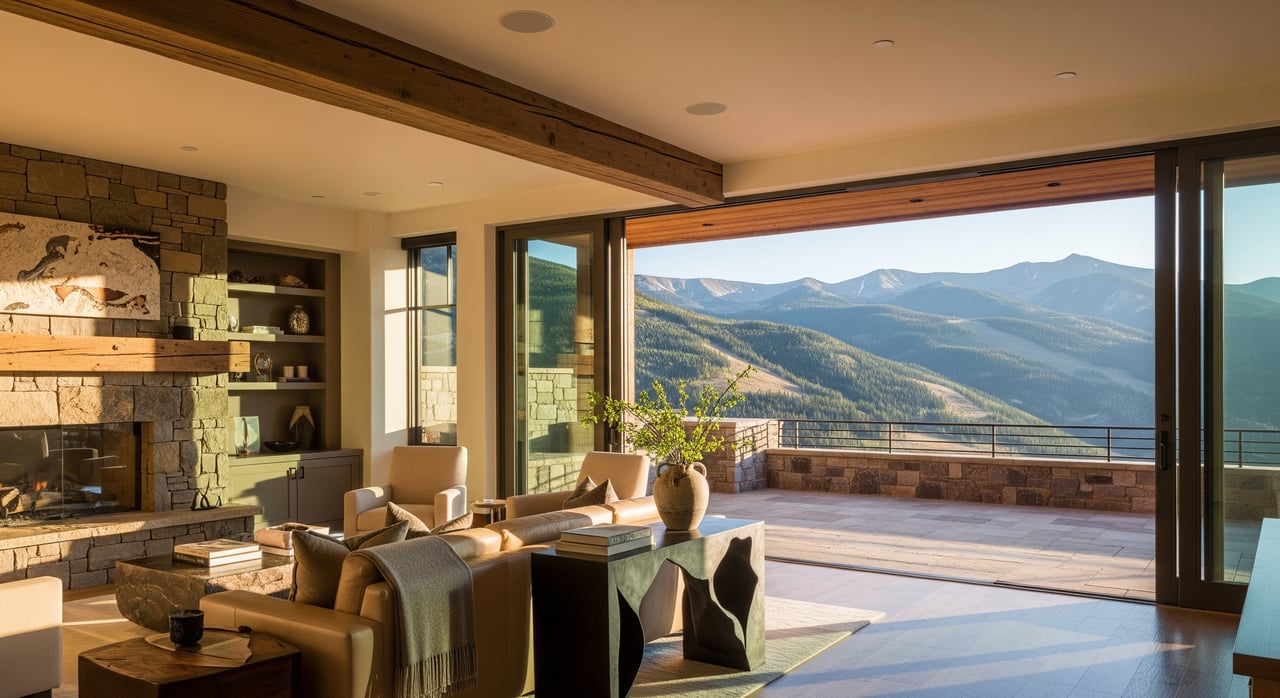
- Views. Mountain, Gore Creek, or plaza views can out-price internal courtyard outlooks.
- Building services. Hotel-style services increase both HOA fees and rental appeal when rentals are allowed.
- Parking. Deeded covered parking or a private garage is scarce and valuable in the villages.
- Remodel quality. Newer finishes, appliances, and fixtures can reset a unit’s price tier.
- Floor level and exposure. Sun and aspect matter, with south-facing exposures often preferred.
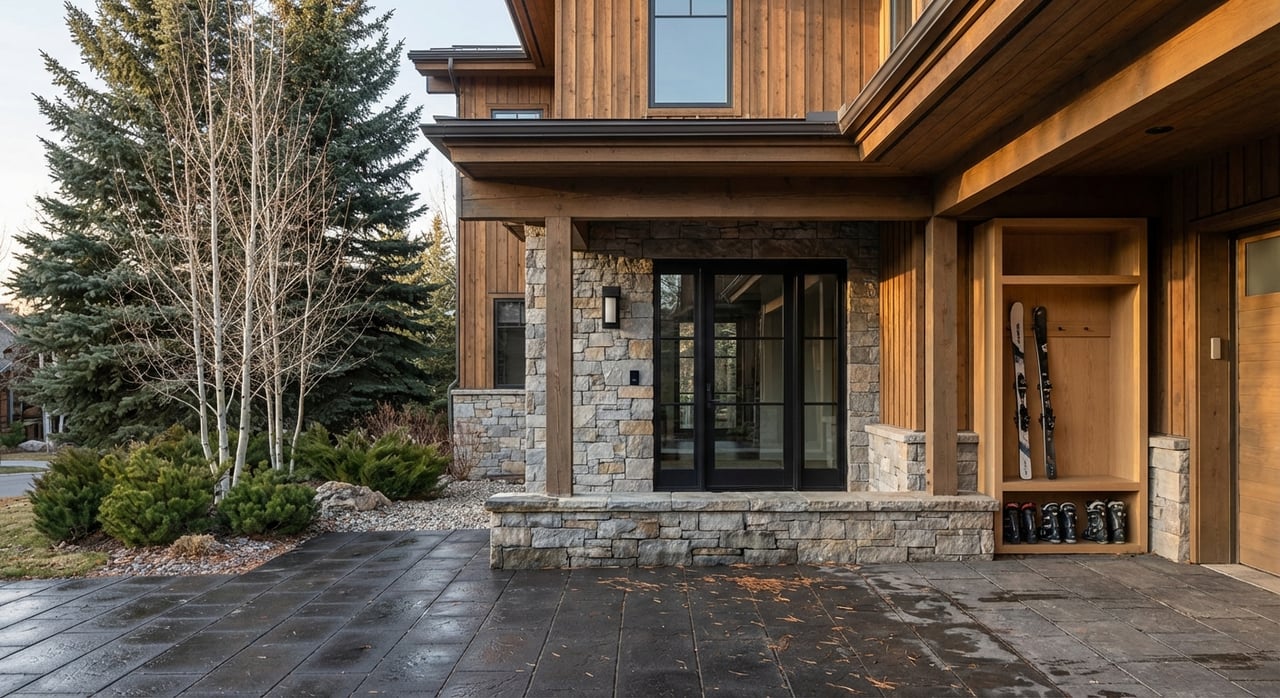
- Usable space. Storage, ski lockers, and balconies improve livability and may justify higher pricing.
HOA rules and carrying costs
Carrying costs and rules can change the math, especially if you plan to rent.
Dues and reserves
Luxury HOA dues can be substantial due to staffing, amenities, and alpine building systems. Ask early for the current budget, year-to-date financials, reserve study, and a history of assessments. Review minutes from recent HOA meetings to see upcoming projects and issues. A well-funded reserve and transparent budgeting support both value and loan approvals.
Short-term rentals and taxes
Confirm whether the building permits short-term or nightly rentals and whether there are specific rental programs or restrictions. Lodging and sales taxes apply to rental income in this area. Policies can change, so verify the latest municipal code and HOA rules before relying on projected rental income.
Insurance, utilities, and seasonal maintenance
Mountain condos face higher property and liability insurance due to weather exposure. Understand what utilities the HOA pays versus what you pay as the owner. Snow removal, de-icing, and heating systems add ongoing costs and can trigger special assessments if not budgeted.
Taxes and assessments
Property tax assessments are set by Eagle County and can vary with classification, especially in mixed-use or hotel-managed settings. Check for transfer taxes or deed fees at sale. Compare county assessor records for recent assessments when modeling your carrying costs.
How to analyze listings and comps
Use a tight, consistent approach so you can compare units across buildings and villages.
At-a-glance listing checklist
For every listing, note:
- Exact address and unit number, including building wing or entrance when applicable
- Building name and brand
- Ownership type, such as fee simple condo, hotel-condo, fractional, or timeshare
- Year built and date of last major renovation
- Deeded square footage and source of measurement
- Bedroom and bathroom count, plus sleeping capacity if rental income matters
- Parking, storage, and ski locker details
- HOA fee and inclusions, such as heat, water, insurance, cable, and staffing
- Rental rules and any on-file rental history, such as occupancy and annual revenue when available
- Monthly carrying cost estimate that includes HOA, utilities, insurance, and property tax
Compare comps wisely
Start with same building and same floor plan when possible. Adjust for view premiums or penalties, major remodels, deeded parking and storage, and timing of the sale. Be careful with price per square foot averages, because small sample sizes and mixed unit types can distort the picture in a luxury market.
Red flags to watch
Look for repeated relistings with multiple price cuts, pending or recent special assessments, and any legal disputes involving the HOA or building. Make sure the ownership type is clear, including fractional formats or deed restrictions. Check the tax classification because a commercial tag can indicate different costs in a hotel-managed context.
Financing and approval realities
Expect jumbo or non-conforming loans for many luxury condos, especially for second homes. Lenders will study HOA financials, so strong reserves and clean budgets are helpful. Some lenders limit financing for certain building types, such as hotel-condo projects or buildings with high investor concentration. Pre-qualify with a lender who regularly works in Vail’s luxury market.
Timing and negotiation
Vail’s rhythm shifts through the year. Late spring and summer often bring more inventory and more motivated sellers, which can open negotiation. Late fall and the pre-season window often see less flexibility as buyers secure prime units before winter. Use inspection findings, HOA assessments, and furniture or appliances as negotiation levers when appropriate.
Match priorities to the right unit
- Ski-centric buyers typically prioritize direct lift access and ski storage, and they may accept a higher price for it.
- Village-centric buyers want walkability and nightlife, and Vail Village or Lionshead usually fits best.
- Families often look for multiple bedrooms and separate sleeping areas.
- Investors focus on net revenue, occupancy, and favorable rules. They will model cap rates and net operating income before making offers.
Build your local team
The best outcomes in a resort market come from local knowledge and strong execution. Connect early with a Vail-focused broker, HOA managers for target buildings, a lender who understands hotel-condo and second-home financing, a property manager for STR compliance, and a real estate attorney if you face complex title or tax classification questions. With more than 30 years in the valley and 700 plus successful transactions, a local advisor like Doug Landin can help you prioritize the right micro-locations, read HOA documents, and negotiate confidently.
Ready to tour or compare a short list of buildings? Reach out to Doug Landin to align your lifestyle goals with the right Vail condo and a clear plan from offer to closing.
FAQs
What matters most when comparing Vail luxury condo locations?
- Focus on gondola proximity, walkability to village amenities, views, and parking, then compare HOA services and fees across Vail Village, Lionshead, and East or West Vail.
How do HOA dues affect total cost in Vail?
- Luxury buildings often have higher dues for staffing and amenities, so request budgets, reserve studies, and assessment history to understand true carrying costs.
What should I know about short-term rentals in Vail condos?
- Rental rules vary by building and can change, so verify HOA policies and local licensing and tax requirements before relying on projected rental income.
How should I choose comps for a Vail condo purchase?
- Start with same-building, same-floorplan sales and adjust for view, remodel quality, parking, storage, and seasonality rather than relying on broad price per square foot averages.
When is the best time to negotiate on a Vail condo?
- Late spring and summer often bring more inventory and flexibility, while late fall and pre-season typically have tighter negotiation room as demand rises.