Would your family rather click into skis outside your door or sip coffee on a sunny patio overlooking a fairway? In Beaver Creek, you can have either lifestyle, and sometimes both, depending on where you buy. If you are comparing on-mountain convenience with golf course serenity, you want a clear picture of how each choice affects daily life, costs, rentals, and long-term ownership. In this guide, you will learn what each option feels like in every season, what drives value, and how to choose the right fit for your goals. Let’s dive in.
Beaver Creek at a glance
Beaver Creek sits in Eagle County, just west of Vail and east of Edwards, with neighborhoods that include Beaver Creek Village and nearby enclaves such as Bachelor Gulch and Arrowhead. The Beaver Creek Golf Club sits at a lower elevation near the resort base with residential areas around the fairways. These micro-markets share the same valley appeal but deliver different day-to-day experiences.
Getting here is straightforward most of the year. You can typically drive about 25 to 40 minutes from Eagle County Regional Airport to Beaver Creek Village, depending on conditions. From Denver International Airport, plan for about 2 to 2.5 hours by car. I‑70 and local highways provide year-round access, though winter storms and holiday periods can extend travel times.
Nearby Avon and Edwards handle much of the year-round living support. You will find grocery stores, medical services, and daily conveniences there, while Beaver Creek Village concentrates resort operations such as lodging, dining, ski school, and guest services. If you are weighing full-time living versus seasonal use, those details matter.
What on-mountain living feels like
Access and convenience
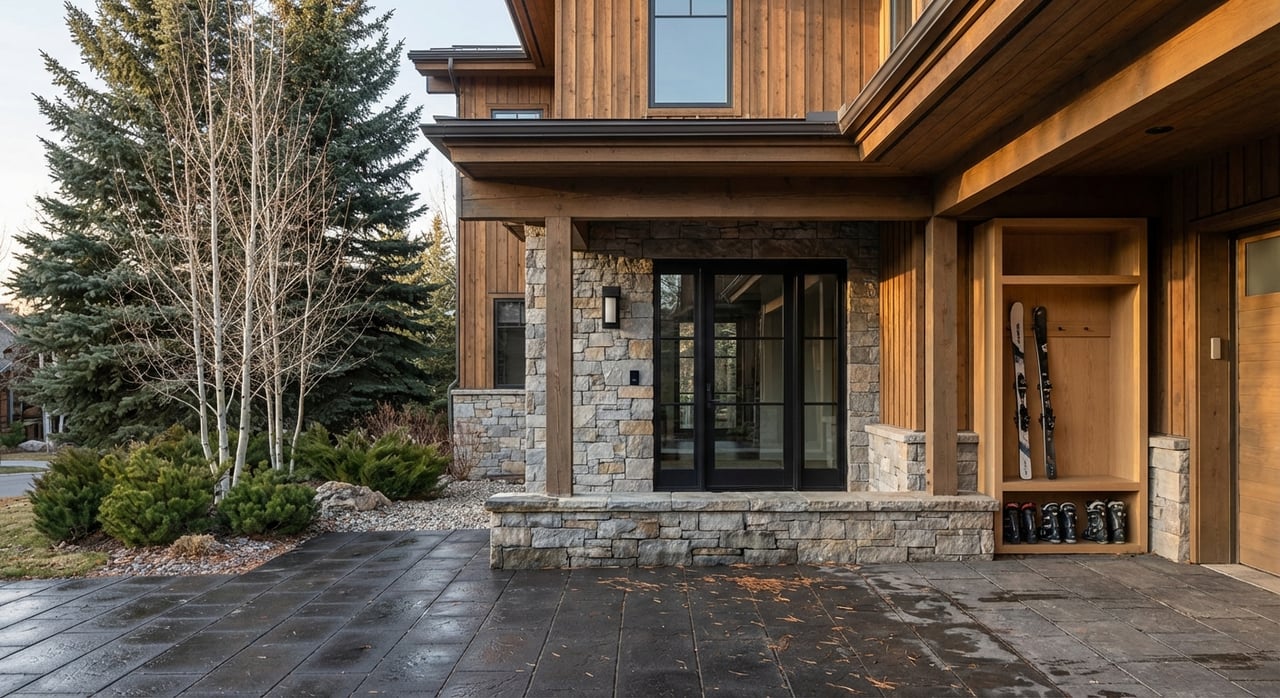
On-mountain residences focus on proximity to the lifts and village. Options range from true ski-in/ski-out condos and townhomes to slope-adjacent properties and homes a short walk or shuttle ride away. The appeal is simple. You gain immediate access to ski school, ski valets, and the heart of the winter action.
Daily rhythm
Winter is your peak season. Expect lively streets, holiday buzz, and easy-to-reach apres spots. Parking can be tighter around the village, so many owners rely on valet or included garage parking where available. The pedestrian-friendly environment makes it simple to move between the lifts, shops, and dining.
Amenities and services
Many buildings offer on-site conveniences such as heated pools, spas, concierge desks, and gear services. Families appreciate quick entry to children’s programs and the convenience of having everything within steps. If you value turn-key winter experiences, this setup delivers.
Maintenance and winter prep
Snow is part of the lifestyle, so budgeting for snow removal and careful roof and ice management is important. Heating systems need attention, and exterior work often happens in short summer windows. If you are a part-time owner, a local property manager can handle winter readiness and routine checks.
What golf course living feels like
Setting and layout
Golf course homes cluster along fairways and near the clubhouse at lower elevations than the high slopes. You will see more single-family homes with larger lots, along with townhomes and condos set back from the greens. Road access is often easier year-round compared with steep, high-snow streets.
Seasonal rhythm
Spring through early fall is your peak season. The neighborhood feels lively with tee times, clinics, and social events. Winters tend to be quieter than the village since the course is closed or limited, which many owners enjoy for privacy and calm.
Amenities and social life
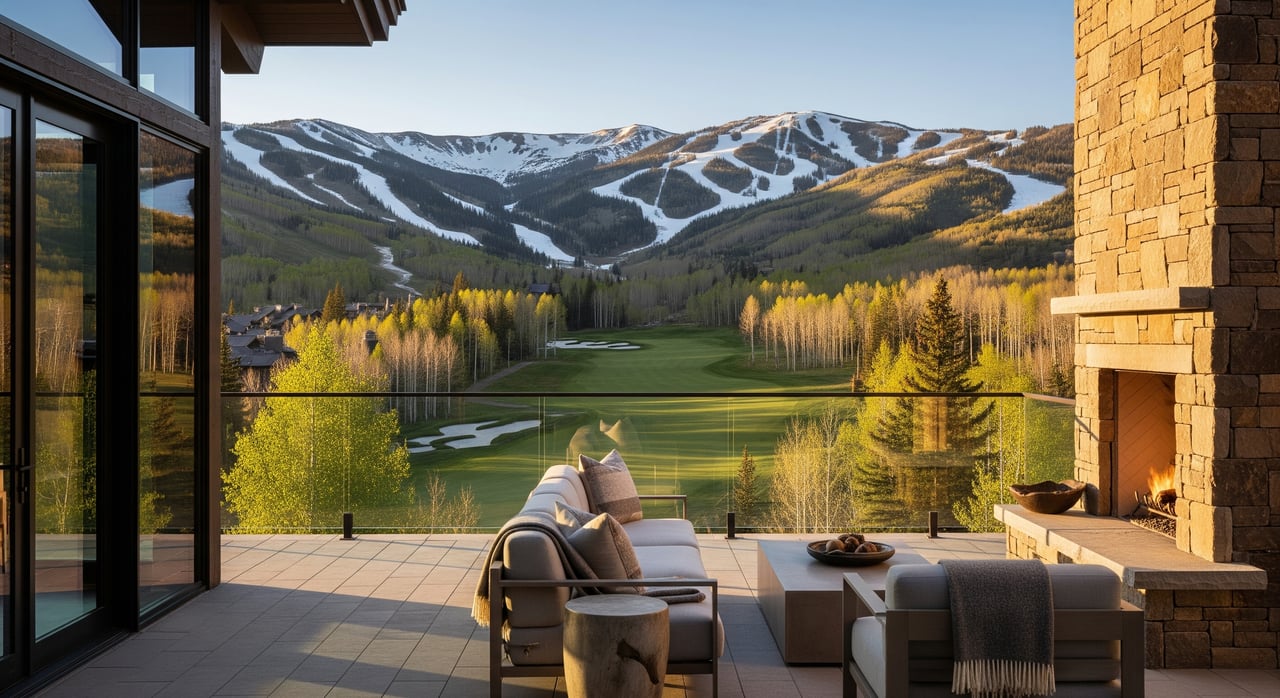
You will trade lift lines for lawn and mountain views, sunny patios, and proximity to club amenities. Clubhouse dining, practice facilities, and planned events create a friendly social calendar. If you enjoy entertaining, larger floor plans and private garages make day-to-day living simple.
Maintenance and summer care
Landscaping and irrigation take center stage during the warmer months, from lawn care to flower beds. Winter still requires snow removal, though needs are generally less specialized than on slope-adjacent properties. Budget for irrigation upkeep and seasonal landscape projects to keep outdoor spaces in top shape.
Cost and ownership differences
What drives value
Both settings command premiums for different reasons. On-mountain properties often have higher prices per square foot thanks to direct lift access and resort amenities. Golf course homes can command premiums for lot size, privacy, garages, and year-round livability, particularly among buyers seeking full-time or longer seasonal stays. Views, newer construction, and private features such as hot tubs or heated driveways are value drivers in both categories.
Ownership types
You will find fee simple single-family homes, townhomes, and condominiums in both areas. Fractional programs and other shared ownership options also exist in the valley, which can lower entry costs for ski-centric properties that carry higher operating dues. Keep in mind that financing and resale dynamics differ for fractional ownership compared to whole ownership.
Dues and operating costs
On-mountain condos typically have higher HOA dues that reflect shared services such as pools, snow removal, ski valets, and common-area maintenance. Golf course neighborhoods may layer standard HOA fees with optional or required golf club memberships. Initiation and annual dues can be substantial, so review schedules carefully. Plan for property taxes, insurance, utilities, landscaping, and management if you will not be on site.
Rental potential and seasons
Ski-centric rentals
Winter is prime time for ski properties. Holiday weeks and peak snow periods often drive the strongest demand and rates. These bookings can produce meaningful gross revenue, though higher turnovers and guest services add management complexity.
Golf course rentals
Summer and shoulder seasons tend to be strongest near the course. Expect interest from golf groups, families escaping heat elsewhere, and longer summer bookings. Winter demand is generally lower than the village core.
Rules and feasibility
Before counting on rental income, verify short-term rental rules with the municipality that applies to your address and confirm your HOA’s policies. Some communities limit or prohibit short-term rentals. Licenses, taxes, occupancy rules, and parking guidelines can affect your net returns and overall strategy.
Risks, insurance, and upkeep
Winter and snow exposure
Mountain homes face risks such as heavy snow loads and ice dams. Regular roof inspection, robust snow management plans, and heat-trace systems can help. If you own a second home, remote monitoring and scheduled walk-throughs are wise safeguards during cold snaps.
Wildfire, drainage, and site specifics
Parts of the Vail Valley carry wildfire exposure. Look for defensible space practices, ember-resistant construction, and appropriate insurance coverage. Spring runoff underscores the need for proper drainage, especially near low-lying or riparian areas. In rare cases near steep faces, avalanche considerations may apply, so site-specific evaluations are important.
Property management
If you are not local, a reliable property manager can oversee seasonal preparation, routine maintenance, guest turnovers, and emergency response. Ask for clear scopes, fee structures, and references before you sign.
How to choose: a quick framework
Start with your primary use
- If your top priority is skiing with minimal logistics, focus on on-mountain properties near lifts or village shuttles.
- If you want larger floor plans, private garages, and summer social life, golf course homes often fit better.
Weigh travel frequency and access
- Frequent short stays and holiday visits favor simple arrival, parking, and quick lift access.
- Longer summer stays or full-time residency make yard space and quieter months more appealing.
Align budget and costs
- Add HOA dues, club membership expenses, insurance, taxes, and seasonal maintenance to your monthly model.
- If rentals are part of the plan, get conservative occupancy and rate estimates from local managers.
Verify rules and logistics early
- Confirm HOA covenants, rental allowances, and any club membership requirements before you submit an offer.
- Review school commute options and shuttle access if kids’ programs or daily routines matter to you.
Buyer checklist
- Confirm true walking or shuttle time to the nearest lift or ski school.
- Review HOA documents, dues, budgets, reserve funds, and rental rules.
- Verify golf club membership status, initiation fees, and annual dues if applicable.
- Compare recent sales in the same micro-neighborhood for realistic pricing.
- Check short-term rental licensing requirements and local lodging tax obligations.
- Obtain insurance quotes that reflect wildfire, snow load, and drainage exposure.
- Interview local property managers about services and fees.
- Ask about winter plowing priorities and road accessibility during storms.
- Map the commute to schools and daily services.
Sample lifestyles: which fits you?
- The Ski Week Regular: You fly into Eagle County, valet the car, and ski before lunch. Walking to kids’ lessons is a must. On-mountain living keeps your routine simple and maximizes slope time.
- The Summer Host: You love long days on the patio, room for guests, and a calendar of club events. Golf course living gives you space, privacy, and an easygoing winter.
- The Hybrid: You want quiet summers and quick winter access without the center-of-village energy. Consider homes that balance shuttle access to lifts with fairway proximity for the best of both worlds.
Next steps in Beaver Creek
The best choice is personal. It depends on how you use the home, which season you love most, and how you weigh convenience, privacy, and cost. With multiple neighborhoods and ownership types around Beaver Creek Village and the Beaver Creek Golf Club, local nuance matters.
If you are ready to compare specific buildings, HOAs, club options, and rental rules, partner with a local advisor who knows the micro-markets and can open the right doors. With 30-plus years in the Vail Valley and hundreds of successful transactions, you can count on experienced guidance, clear numbers, and a smooth process from search to closing. Ready to explore? Connect with Doug Landin for a private consultation.
FAQs
What is the typical drive time to Beaver Creek from nearby airports?
- You can typically reach Beaver Creek Village in about 25 to 40 minutes from Eagle County Regional Airport and about 2 to 2.5 hours from Denver International Airport, weather permitting.
How do on-mountain and golf course areas differ in winter activity?
- On-mountain areas are most active in winter with skiing, events, and apres, while golf course neighborhoods are quieter during winter and busier from late spring through early fall.
Do on-mountain condos usually have higher HOA dues than golf homes?
- Generally yes. On-mountain condos often carry higher dues that reflect amenities like pools, ski valets, and extensive snow management, while golf homes may have neighborhood HOAs plus potential club dues.
Can I rent my Beaver Creek property short term?
- It depends on your exact address and HOA. Municipal licensing, taxes, and HOA rules vary, and some buildings or neighborhoods restrict or prohibit short-term rentals.
What are common risks to insure against in Beaver Creek?
- Mountain homes need coverage that accounts for snow load, frozen pipes, and potential wildfire exposure, along with standard property and liability coverage.
Which option is better for full-time living: on-mountain or golf course?
- Many full-time residents prefer golf course or lower-elevation neighborhoods for larger lots, garages, and quieter winters, while on-mountain homes suit those prioritizing daily lift access.
How close are children’s programs and ski school to each area?
- On-mountain properties often sit within a short walk or shuttle ride to ski school and children’s programs, which simplifies family logistics during winter stays.