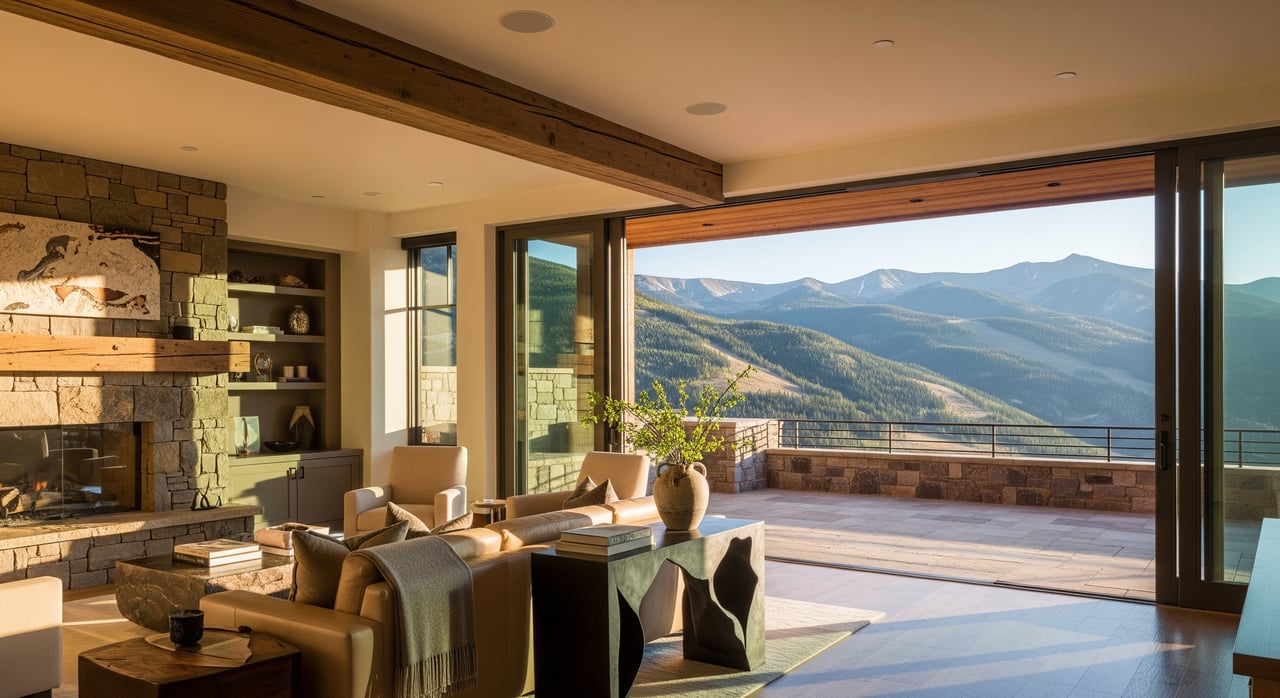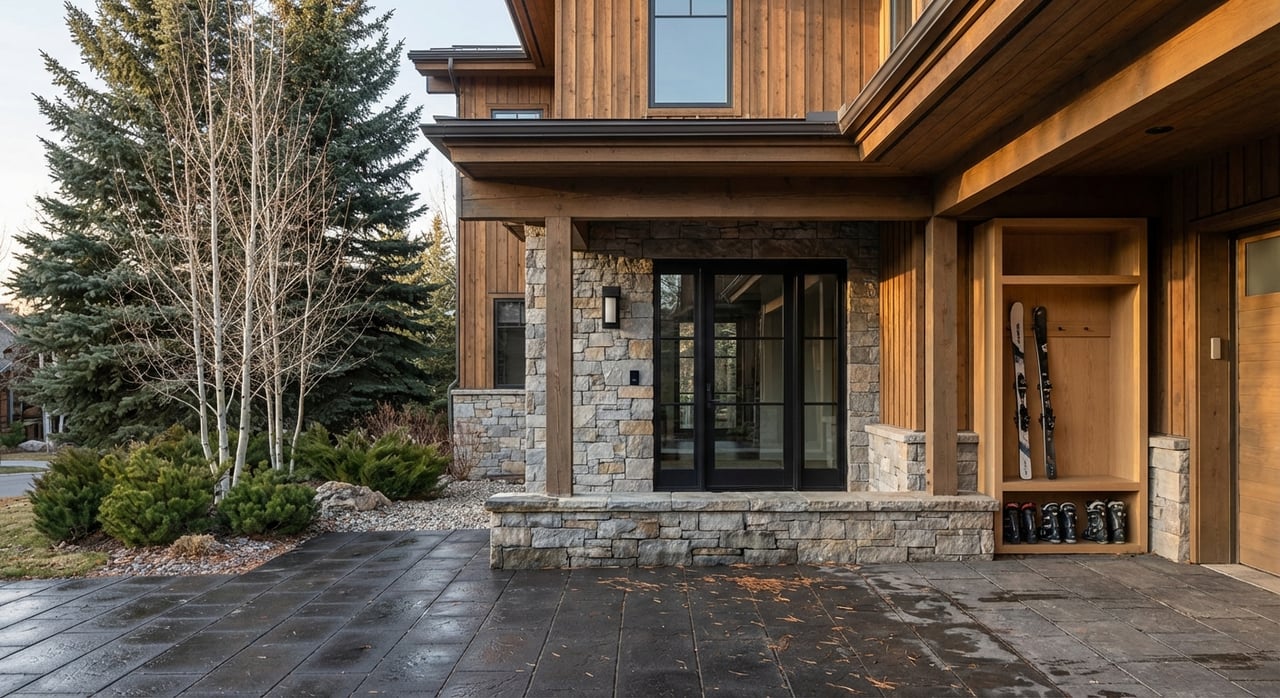
Thinking about a Beaver Creek home you can enjoy and also rent when you are away? You are not alone. Many buyers want a property that fits family time, offsets carrying costs, and stays compliant with local rules. In this guide, you will learn how rental-friendly ownership really works in Beaver Creek, what regulations and taxes apply, what types of homes rent best, and the must-do due diligence before you buy. Let’s dive in.
Know your jurisdiction first
In Beaver Creek, the first step is simple but critical: confirm who governs your exact parcel. Depending on location, your address may fall under the Town of Avon, unincorporated Eagle County, and resort covenants administered by the Beaver Creek Resort Company. Each layer can add permits, taxes, or assessments.
If your property is in Avon, the town uses a Short Term Rental Overlay and Town Core map. Units must be in the overlay and hold the correct license class to operate as short-term rentals. Start by reviewing the town’s STR page for overlay status, license types, posting rules, and current tax details. You can find those details on the Town of Avon’s page for short-term rentals and the overlay program.
What this means for you
Before you write an offer, identify the parcel jurisdiction on the tax map and confirm which entity issues STR licenses and collects taxes for that address. This avoids surprises and helps you model accurate returns.
Beaver Creek Resort Company obligations
Many Beaver Creek properties also fall under the Beaver Creek Resort Company. If you rent your home for more than four days in a month, BCRC expects you to obtain a lodging business license and register your unit in its short-term rental portal. BCRC also collects civic and lodging assessments on rental activity, which are separate from town and county taxes. Review the Resort Company’s guidance and forms on its STR and assessments page.
BCRC publishes procedures for monthly assessment returns and has a finance section with forms and explanations of resort assessments. These filings are enforced under recorded covenants and apply in addition to municipal or state taxes. You can see the overview of assessments and license requirements on the BCRC finance and assessments page.
Common BCRC filings and timing
- Obtain a BCRC lodging business license if you exceed four rental days in any month.
- File monthly assessment returns for civic and lodging assessments on rental revenue.
- Keep records. Buyers should request the seller’s last 12 months of BCRC returns and license documents during diligence.
Avon licensing, overlay, and local taxes
If your property is in Avon’s overlay, you will need the town’s STR license. Avon also requires you to post your license number in listings and maintain a business or sales tax license. The town publishes a combined 10 percent tax on short-term stays within Avon, composed of 4 percent sales tax, 4 percent accommodations tax, and a 2 percent short-term rental tax that supports community housing. Review the current details for your address on Avon’s short-term rental guidance.
Marketplace platforms and collection
Some large booking platforms act as marketplace facilitators and collect certain taxes. That does not always cover every local assessment. As the owner, you are responsible for correct registration and full remittance. Confirm what each platform collects for your exact address.
HOA and village rules you cannot ignore
Many Beaver Creek neighborhoods, including Bachelor Gulch and Arrowhead, have association covenants with added rental limits. These can include minimum stay requirements, licensing terms, occupancy rules, host-contact standards, and parking policies. Some rules apply only to homes purchased after a specific date and can materially change your revenue model.
A clear example is the Bachelor Gulch Village Association’s Estate Lot Lease Licensing and Regulation Policy adopted in May 2025, which set a 14-day minimum for certain post-policy estate lots. This is one reason you should always request recorded CC&Rs and the latest association rules during diligence. You can find association policy updates on the BGVA current news page.
Action items with HOAs
- Ask for the recorded CC&Rs, any rental policy updates, and meeting minutes reflecting rental votes from the past three years.
- Confirm whether any rental license or privilege transfers to you on sale.
- Verify parking, guest limits, and local host-contact rules that affect operations.
County direction and unincorporated areas
Eagle County has discussed a countywide short-term rental registration program with a focus on compliance and basic safety. As of recent reporting, the county has taken a data-first approach and continues to coordinate with resort and municipal programs to avoid duplication. If your parcel is in unincorporated Eagle County, check the latest county status for fees or registration that may apply. Recent coverage is summarized in the Vail Daily’s report on county STR efforts.
What rents well in Beaver Creek
Beaver Creek’s demand is highly seasonal, with winter as the primary revenue driver. Peak months run from December through March, and holiday weeks like Christmas and New Year’s, MLK weekend, Presidents’ Week, and spring break often yield the highest rates and occupancy. Resort activities and events also support summer bookings, which tend to be strongest from July to August. For a taste of warm-season programming, see the resort’s summer activities overview. Recent reporting suggests the Vail Valley has held up comparatively well in summer versus other mountain destinations, though western-resort occupancy normalized post-pandemic. See the Vail Daily’s summer lodging coverage.
Property types and guest expectations
- Condos and hotel-style residences in or near the Village tend to rent well. Guests value proximity to lifts or reliable shuttle service and amenities that mirror hotel comfort.
- Townhomes and smaller single-family homes attract family stays, though HOA minimums may apply by neighborhood.
- Luxury estates offer high rate potential, but some areas, such as certain Bachelor Gulch estate lots, have minimum stays or added licensing that can change the economics.
Guests paying resort rates expect quality and service. High-impact features include Village or shuttle access, secure ski storage, hot tubs and pools, heated parking, responsive guest communications, and well-finished interiors. For local area context and amenities, visit the Beaver Creek Village information page.
Model the numbers: taxes, fees, and management
Your pro forma should capture every layer. For many Beaver Creek addresses, that means BCRC civic and lodging assessments, Avon’s local taxes if in the town, state sales tax, and any county lodging taxes that apply. Some platforms collect certain taxes, but owners remain responsible for full compliance. Review BCRC’s process and plan to file monthly returns using the Resort Company’s STR and assessments guidance.
Consider how you want to manage the rental. Options range from self-managing to full-service local management. In resort markets, full-service fees commonly range about 20 to 40 percent of gross rental revenue depending on scope. Limited or booking-only solutions can be lower. For a helpful overview of fee structures, see this guide to property management fees.
Do not forget operating costs that affect net yield. Build in cleaning and linen turnover, utilities and winterization, routine maintenance, hot tub service, guest supplies, HOA dues, trash service, insurance that covers short-term rental use, reserves for capital items, and your BCRC assessments and municipal taxes.
Due diligence checklist for any listing
Use these questions during your offer and inspection window. Ask for documents that back up the answers.
- Jurisdiction and licenses: Which jurisdiction governs the parcel? If in Avon, is the unit in the STR Overlay or Town Core? Request the Avon STR license number and filing history. Review the town’s overlay and license guidance.
- BCRC status: Is the unit registered in the BCRC STR portal? Request the BCRC lodging business license and the last 12 months of civic and lodging assessment returns. See the BCRC STR portal and assessment info.
- HOA rules: Ask for recorded CC&Rs, any recently adopted rental policies, and minutes showing rental-related votes in the past three years. The BGVA policy update page shows how association rules can change rental terms.
- Taxes and assessment filings: Which taxes and assessments are being collected and remitted today, and by whom? Request copies of municipal, county, state, and BCRC filings or receipts for the past 12 months.
- Rental performance: Request 12 to 24 months of rental ledgers showing gross revenue by month, nights booked, ADR, occupancy, refunds, and average length of stay. If rules changed, use conservative assumptions.
- Management terms: If a management agreement exists, request the contract, fee schedule, owner-use rules, any guaranteed revenue, and termination terms. Ask for sample owner statements.
- Operations and capacity: Confirm parking availability, guest vehicle rules, check-in and check-out procedures, local contact requirements, and housekeeping limits.
- Safety and insurance: Verify smoke and CO alarm compliance, any required inspections, and an insurance policy that covers short-term rental use.
- Transfer items at sale: Ask whether any STR license transfers on closing and whether there are resort transfer assessments or procedures you should plan for.
Example buy scenarios to consider
- Village condo in Avon: You confirm the unit is within Avon’s STR Overlay, obtain the correct license, and collect the town’s 10 percent tax on short stays. If you rent more than four days in a month, you also hold a BCRC lodging business license and file monthly civic and lodging assessments. You model full-service management at 25 to 35 percent to compare against a self-managed plan.
- Bachelor Gulch estate: You verify HOA policies and learn that certain estate lots purchased after a specific date have a 14-day minimum stay under the BGVA policy. You adjust your revenue model to longer stays, confirm BCRC licensing if you exceed the four-day monthly rental trigger, and build in higher operating costs for larger-home care.
- Arrowhead townhome: The HOA allows short-term rentals but requires a local contact and has strict parking rules. You confirm Avon or county jurisdiction, set guest communications accordingly, and model cleaning and linen turnover at peak winter cadence.
Smooth operations tips
- Create a clear guest guide with parking, trash, wildlife safety, and hot-tub rules tailored to your building and HOA.
- Verify tax settings on every listing so platform collection aligns with your address and local rules.
- Document owner blocks and changeover schedules early for winter and holiday weeks.
- Review insurance coverage for short-term rental use and any wildfire or safety requirements. Avon’s STR page summarizes several compliance touchpoints for owners in town. See Avon’s STR guidance.
Ready to look at properties that fit both your lifestyle and rental goals? With decades of local experience, I help you identify the right neighborhoods, verify licensing and assessment history, and structure a purchase with confidence. When you are ready, connect with Doug Landin to start your Beaver Creek search.
FAQs
What is the difference between Avon’s STR license and the BCRC license?
- Avon’s STR license and taxes apply to properties in town and within the STR Overlay, while the Beaver Creek Resort Company’s lodging business license and resort assessments apply when you rent more than four days in a month in BCRC-managed areas. They are separate requirements.
How much are local STR taxes in Avon?
- Avon publishes a combined 10 percent on short-term stays, broken into 4 percent sales tax, 4 percent accommodations tax, and a 2 percent short-term rental tax. Confirm current percentages for your exact address on the town’s STR page.
Do I need a resort license if I only rent a few weekends?
- If you rent more than four days in any month within the Beaver Creek Resort Company area, you must obtain a BCRC lodging business license and file monthly civic and lodging assessments.
Are there minimum-stay rules in Beaver Creek neighborhoods?
- Many associations set their own rules. For example, the Bachelor Gulch Village Association adopted a policy with a 14-day minimum for certain post-policy estate lots. Always request the recorded CC&Rs and latest HOA policies.
When is the best time to rent in Beaver Creek?
- Winter is the primary peak for occupancy and rates, especially during holidays. Summer offers a meaningful secondary season driven by events and activities, though average rates are usually lower than winter.
Do booking platforms collect all my taxes and assessments?
- Some platforms collect certain state or municipal taxes, but not all local assessments. You are responsible for correct registration and full remittance, including BCRC filings where applicable.