Does “ski-in/ski-out” mean you can click in at the door and glide straight to the lift? Not always. In Beaver Creek, the label can range from true door-to-slope access to a short walk or even a shuttle. If you are buying for lifestyle, guests, or rental performance, those differences matter. In this guide, you will learn how to decode the term, how Beaver Creek’s layout shapes access, and the exact steps to verify what a listing really offers. Let’s dive in.
Define ski-in/ski-out
There is no universal legal definition of “ski-in/ski-out.” It is a marketing term, and interpretations can vary by MLS, brokerage, resort, and HOA. To shop confidently, sort properties into clear categories and verify what each one truly delivers day to day.
True ski-in/ski-out
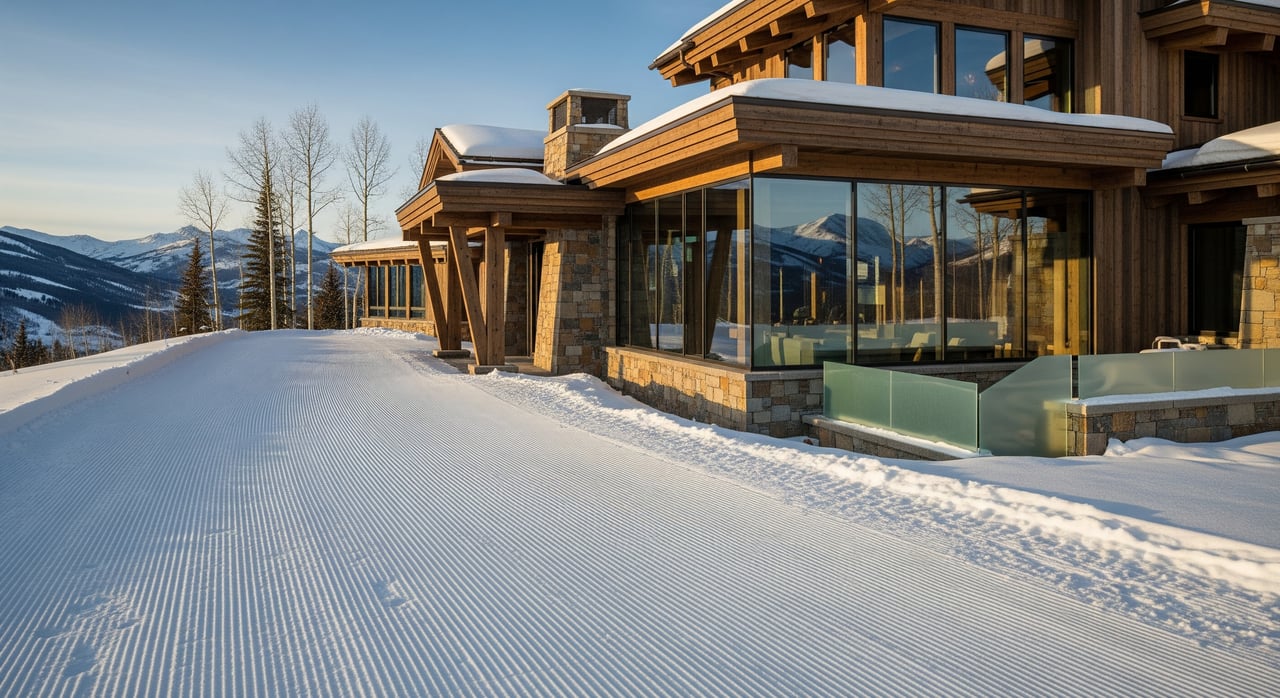
A true ski-in/ski-out property lets you access maintained resort terrain or a lift directly, without crossing a road or using a shuttle or vehicle. You typically see on-site ski racks or lockers and a groomed exit that works during normal resort operations. Inbound access should feel natural and safe, not a scramble over stairs or gravel.
Ski-to-lift or ski-out
These homes and condos let you ski to a lift or main run, but you might traverse a flat section, skate a bit, or walk a short distance. Think roughly 50 to 300 yards to reach the lift plaza or a groomed connector. Many buyers find this perfectly acceptable, but it is different from direct access.
Walk-to-lift
You can walk a short, predictable path to the lift or village. This may involve stairs or a snow-packed walkway, and you will likely carry skis or walk in boots. It offers convenience without claiming direct on-snow access.
Ski-access only
This label often means a shuttle, tram, or vehicle is required to reach the lift. You are close to the resort but not on the snow. Some listings blur this with “slope adjacent,” so press for clarity.
Beaver Creek access patterns
Beaver Creek is compact, but neighborhoods vary in how they touch the mountain. Design and topography create several realistic access patterns that are important to understand.
Neighborhood layout
Beaver Creek includes a base village plus purpose-built communities and condo complexes on the mountain’s flanks. Some sit directly on designated runs or connectors that enable genuine door-to-slope skiing. Others are a short walk from lifts, or they require crossing an internal road before you reach groomed terrain.
Seasonal and terrain nuance
Access can change with conditions. Spring melt, low-snow years, or maintenance can affect that last stretch between your door and the run. Run pitch matters too. A gentle connector is friendlier for children and casual skiers than a steeper drop to a property. Microclimates and snow storage also play a role, influencing ice buildup near walkways and driveways.
Property types
Beaver Creek offers a mix of luxury options. You will find private single-family homes with direct trail easements, high-end townhomes and condos with ski rooms and short ski paths, and lodge-style residences with valet or shuttle service. The first two categories are more likely to meet a strict “true ski-in/ski-out” test.
Price, liquidity, rentals
Slope proximity influences value and performance, and that impact shows up in multiple ways.
Buyer demand
Genuine ski-in/ski-out is a premium amenity in mountain markets. These properties often attract strong interest and can sell faster than similar homes off the slopes. For many luxury buyers, the premium is about lifestyle and convenience rather than square footage alone.
Rental performance
True ski-in/ski-out homes and condos draw higher winter demand and premium nightly rates among guests who prioritize convenience. Walk-to-lift and ski-to-lift properties still perform well, but they may see slightly lower average daily rates and more off-season vacancy. Features that reduce friction, such as ski lockers, concierge support, and dedicated parking, help drive better reviews and repeat bookings.
Ongoing costs
Factor in ownership costs that come with slope adjacency.
- HOA dues in amenity-rich, slope-adjacent buildings can be higher.
- Snow and ice management, building envelope upkeep, and insurance can increase annual expenses.
- At resale, buyers value certainty. Vague or conditional access can reduce perceived value or extend time on market.
Verify before you buy
Trust the listing, but verify the access. Use this checklist to confirm that ski convenience matches your expectations.
On-site inspection
- Ski the route in and out under representative conditions, morning and late afternoon.
- Confirm you can keep skis on the whole way and note any flat skates, traverses, or short walks.
- Look for obstacles like stairs, steep pitches, culverts, gates, or signage that may limit access.
Documents and maps
- Request recorded easement maps or agreements that document trail connections to resort terrain.
- Review HOA covenants for rules on slope access, snow storage, removal responsibilities, and guest drop-off.
- Confirm title and plat details if any portion of access crosses private property.
Resort and county checks
- Confirm with resort operations whether the connector is an official, maintained trail and if it is ever rerouted.
- Check with local authorities for any road crossings, permits, or seasonal closures that affect last-mile access.
Operations and logistics
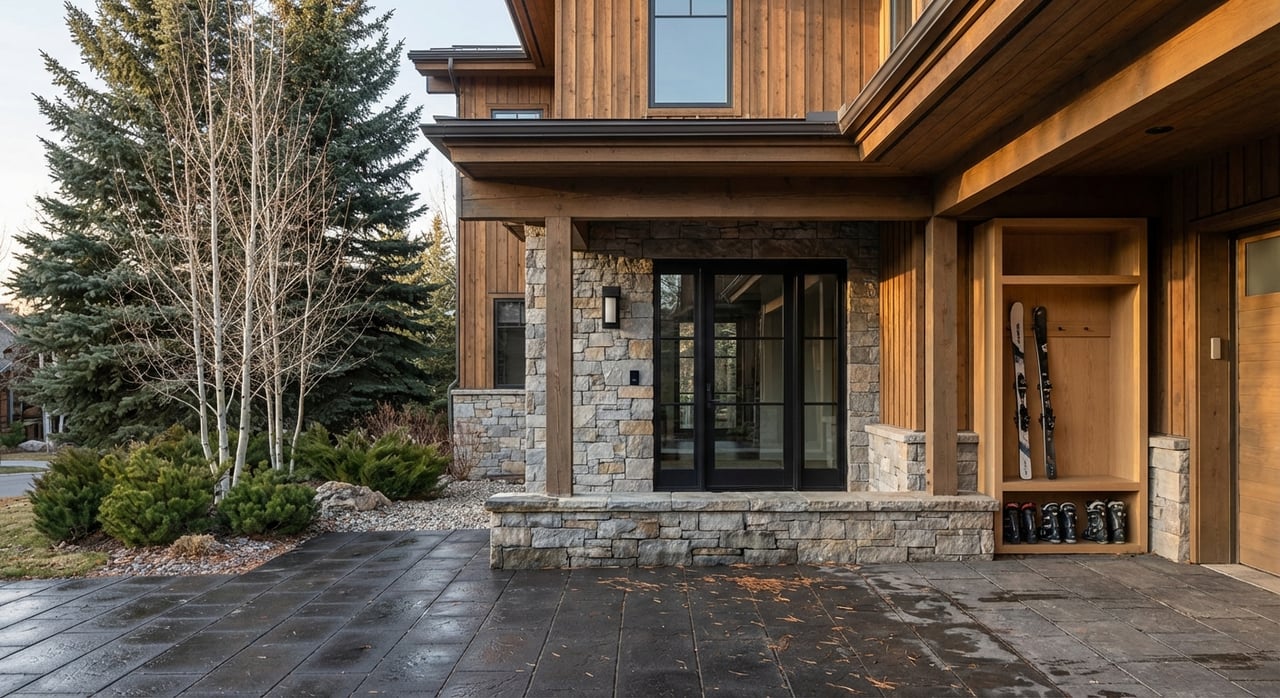
- Verify ski locker and boot room availability and whether storage is private or shared.
- Map guest arrival: nearest drop-off, parking, valet, and walkway maintenance.
- Ask how often last-mile skiability is lost in marginal seasons.
Legal and insurance
- Review any liability or indemnity clauses that apply to direct ski access.
- Speak with your insurer about coverage and any safety protocols required.
Questions to ask
- Can you ski directly to the front door or boot room in normal operating conditions without removing skis?
- Does any part of the route cross property not controlled by the HOA or resort?
- Are there recorded easements guaranteeing access year-round?
- How are snow and ice managed between the slope and the entry?
- Can the seller provide recent photos or videos of access in mid-season and late-season conditions?
Choose your best fit
Align the access type with how you will use the property. If first chair mornings and effortless returns are a priority, target true ski-in/ski-out and confirm gentle inbound grades if children or newer skiers will be using the route. If you prioritize larger floor plans or a specific view corridor, a ski-to-lift or walk-to-lift home may offer more selection without sacrificing much convenience. For owners planning short-term rentals, weigh ease of guest arrival, storage, and parking as heavily as the on-snow route itself.
A clear-eyed approach prevents surprises. Be explicit about what a property offers, lock down the documentation, and experience the access in person before you commit.
Work with a local advisor
In Beaver Creek, small details make a big difference in daily use and long-term value. You deserve a trusted guide who knows which connectors stay reliable across seasons, which HOAs keep paths clear, and how to present your priorities to a seller. With 30-plus years in the Vail Valley and more than 700 successful transactions, Doug pairs deep local knowledge with polished, concierge-level service to help you secure the right home and the right access. Ready to pinpoint the best slope-side fit for your lifestyle? Connect with Doug Landin for expert, discreet representation.
FAQs
What does “true ski-in/ski-out” mean in Beaver Creek?
- It means direct on-snow access to maintained resort terrain or a lift without crossing roads or using shuttles, typically with on-site ski storage and safe inbound routes in normal conditions.
How can I verify a listing’s ski access before buying?
- Ski the route in and out, review recorded easements and HOA rules, confirm trail status with resort operations, and document guest logistics like parking and locker access.
Do ski-in/ski-out homes cost more than similar homes?
- Slope adjacency is a premium amenity that often drives stronger demand and faster sales; exact premiums vary by micro-location, property type, amenities, and market timing.
Are ski-to-lift and walk-to-lift properties good for rentals?
- Yes, many perform well, though true ski-in/ski-out often commands higher winter demand and nightly rates; operational ease and amenities also influence guest reviews.
What extra costs come with slope-side ownership?
- Expect potentially higher HOA dues, specialized snow and building maintenance, and insurance considerations related to direct ski access.
Can ski access change with the season?
- Yes. Spring conditions, low-snow periods, and maintenance can affect last-mile skiability, so confirm reliability across typical operating weeks and late-season windows.